Why Illustrated Children’s Books Remain Essential for Young Readers
Illustrated children’s books have long held a cherished place in early childhood development. In an era of digital media and screen-based entertainment, one might question whether picture books retain their relevance. The evidence from cognitive research and educational practice suggests that they do. Illustrations serve not merely as decoration but as integral components of the reading experience. They offer young readers a gateway into narrative comprehension, emotional understanding, and the gradual mastery of language. For children who are still developing their decoding skills, images provide contextual cues that make written text accessible and meaningful.
This article explores the multifaceted role of illustrations in children’s literature. Rather than framing them as supplementary, it examines how images actively support comprehension, vocabulary growth, and a lasting interest in reading. By understanding the interplay between visual and textual elements, parents, educators, and publishers can make informed decisions about book selection. The following sections outline key functions of illustrations and offer perspectives on their continued importance in fostering literacy among young readers.
How Illustrations Support Early Literacy Development
Illustrations in children’s books do more than capture attention. They play a fundamental role in helping young readers understand the structure of a story. When a child looks at a picture, they are engaging in a form of visual decoding that parallels the process of reading words. The arrangement of characters, the depiction of settings, and the sequence of events in images all provide narrative clues. This visual scaffolding allows children to follow a plot even before they can read every word on the page.
For beginning readers, illustrations also reduce cognitive load. A text describing a rainy day becomes instantly clearer when accompanied by an image of rain, an umbrella, and puddles. This connection between the abstract symbols of language and concrete visual representations strengthens comprehension. Moreover, repeated exposure to this pairing helps children internalize the concept that printed words carry meaning. Over time, the illustrations gradually shift from being a primary source of information to a supporting role as reading fluency increases.
It is important to note that the effectiveness of illustrations depends on their quality and relevance. Well-designed images align closely with the text, reinforcing key vocabulary and narrative elements without adding confusion. Publishers and educators often consider these factors when selecting books for different developmental stages. Book Palette, for example, curates collections that emphasize a thoughtful integration of images and text, recognizing that each component complements the other in the learning process.
Building Vocabulary Through Visual Context
Vocabulary acquisition in young children is heavily dependent on context. When a child encounters an unfamiliar word, illustrations can provide immediate visual reference that aids in defining the term. For instance, a page showing a character holding a “ladle” next to a pot of soup allows the reader to associate the word with a specific object. This method of contextual learning is more natural and memorable than rote memorization.
Illustrated books often introduce words that might not appear in everyday conversation. Terms related to nature, professions, or emotions become more accessible when paired with images. A child reading about a “lighthouse” for the first time can grasp its purpose and appearance through a detailed illustration. This layered exposure enriches the child’s lexicon and prepares them for more complex texts later on.
Research in early childhood education suggests that children who engage with illustrated books tend to demonstrate broader vocabularies compared to those exposed primarily to text-only materials. However, this outcome is not automatic. The quality of the illustration-text relationship matters. Books where images merely repeat what the text says offer less benefit than those where illustrations add new information or show nuances. Careful selection of books, such as those recommended by literacy specialists, can maximize these vocabulary-building opportunities.
Fostering Emotional and Social Understanding
Illustrations in children’s literature also serve a vital role in emotional and social development. Facial expressions, body language, and color palettes convey moods and feelings that words alone may not fully capture. A character shown with slumped shoulders and a tearful eye communicates sadness in a way that a young reader can intuitively understand. This visual emotional literacy helps children recognize and name their own feelings, as well as empathize with others.
Social scenarios presented in illustrated books offer models for interaction. Images depicting sharing, conflict resolution, or cooperation provide visual examples that children can observe and discuss. Parents and educators can use these illustrations as starting points for conversations about appropriate behaviour and empathy. The visual medium makes abstract social concepts more concrete, enabling children to process them more effectively.
For children who are still developing verbal skills, illustrations can be a primary means of engaging with stories. A non-verbal child, for instance, may follow the emotional arc of a book through images alone. This inclusivity underscores the importance of illustrations in making literature accessible to a broader range of developmental abilities. While no single approach works for every child, the presence of thoughtful illustrations often enhances the overall reading experience across diverse learning styles.
Encouraging a Lifelong Habit of Reading
The pleasure derived from illustrated books can strongly influence a child’s attitude toward reading. When children associate books with beautiful images and engaging visual stories, they are more likely to view reading as an enjoyable activity rather than a chore. This intrinsic motivation is a significant predictor of future reading frequency and voluntary reading behaviour.
Illustrations also invite repeated readings. Children often return to favourite picture books to notice details they missed before, deepening their engagement with the story. This repetition reinforces comprehension and builds familiarity with narrative structures. Over time, a child who regularly interacts with illustrated books may develop stronger narrative skills and a more sophisticated understanding of story elements such as plot, character, and setting.
It is worth noting that motivation to read is influenced by many factors beyond illustrations, including family environment, access to books, and individual interests. However, well-crafted illustrations can act as a gateway, especially for reluctant readers. By making books visually inviting, publishers and educators can lower the initial barrier to engagement. The goal is not to guarantee that every child becomes an avid reader, but to create conditions where reading is perceived as a rewarding experience.
Selecting Illustrated Books for Different Ages
Not all illustrated books serve the same purpose across developmental stages. For infants and toddlers, board books with simple, high-contrast images support visual development and early object recognition. Illustrations at this stage should be clear and uncluttered, focusing on familiar items such as animals, food, or daily routines. Text is minimal, often just a few words per page, allowing the images to carry the narrative.
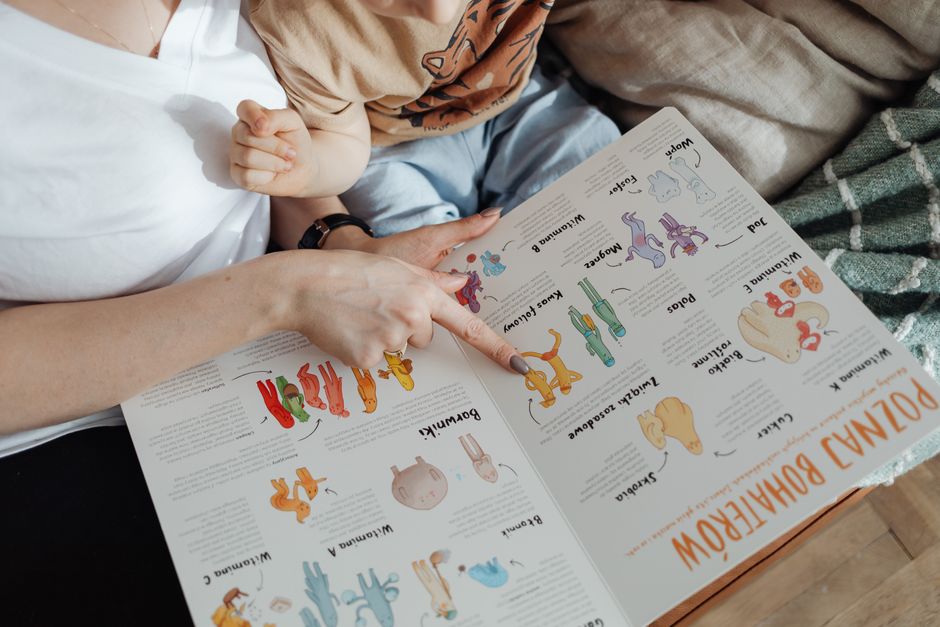
Preschoolers benefit from books with more detailed illustrations that include multiple elements and subtle story cues. These images support emerging narrative comprehension and allow children to “read” the story on their own by interpreting pictures. At this age, illustrations can introduce concepts like cause and effect, sequencing, and character emotions. Books with repetitive text and corresponding images help solidify language patterns.
For early elementary readers, illustrated chapter books begin to shift the balance toward text while still providing visual anchors. Illustrations at this stage may appear less frequently, but they serve to support understanding of more complex plots and unfamiliar vocabulary. The choice of illustration style—realistic, whimsical, or abstract—can influence how a child connects with the material. When selecting books, it is helpful to consider the child’s current reading level and personal interests, as well as the quality of the illustration-text relationship. Publishers like Book Palette often provide age-range recommendations to guide these decisions, though individual preferences and abilities vary.
The Role of Illustrations in Digital and Print Formats
As digital platforms become more prevalent, the format in which children encounter illustrated books has expanded. E-books and interactive apps offer animations, sound effects, and touch-responsive features that can enhance the reading experience. However, these additions also introduce potential distractions. Research indicates that digital enhancements can sometimes detract from narrative comprehension if they divert attention away from the story itself.
Print books, by contrast, offer a fixed and consistent visual experience. The physical act of turning pages and the tactile quality of paper can contribute to a focused reading session. Illustrations in print are static, which encourages children to spend time examining each page and making their own interpretations. There is no right or wrong format; each has strengths that depend on context and the child’s needs. The key is to ensure that the illustrations remain central to the storytelling, regardless of the medium.
Educators and parents are encouraged to evaluate digital books with the same criteria used for print: clarity of images, alignment with text, and the degree to which illustrations support comprehension. Interactive elements, when used sparingly and purposefully, can complement the narrative. Yet, the fundamental principle holds: illustrations are most effective when they serve as a bridge between the child and the story, not as a substitute for it. The discussion around format continues to evolve, but the essential value of quality illustrations remains constant.